Why this belongs here
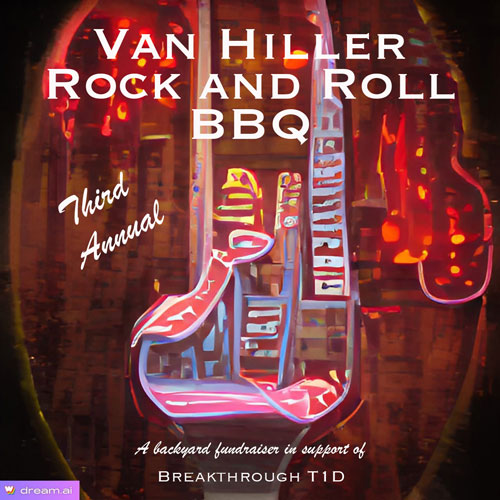
The Van Hiller Rock and Roll Backyard BBQ started as a neighborhood gathering, but it has become something more intentional: a repeatable fundraising system built around music, community, and a clear cause.
That shift did not happen all at once. The first version was mostly a party. Friends, neighbors, food, music, and a reason to spend time together. It had energy, but it did not yet have a defined outcome beyond the gathering itself.
The event changed when the purpose became clearer.
After my Type 1 Diabetes diagnosis in 2024, the BBQ became a way to turn a personal experience into community action. The music and friendship were still central, but now the event had a larger job to do: raise awareness, raise money, and create a shared moment around something that affects my life every day.
That is when the BBQ started to behave less like a one-off party and more like a product.
Not in the cold sense. Not as something transactional or overdesigned. More in the sense that a product needs to understand who it serves, what problem it is solving, what actions it asks people to take, and how the experience can improve over time.
The same questions apply here.
- What is the purpose?
- Who is the audience?
- How do people participate?
- Where does friction show up?
- How do we communicate progress?
- What makes someone want to come back?
The answers shaped the event.
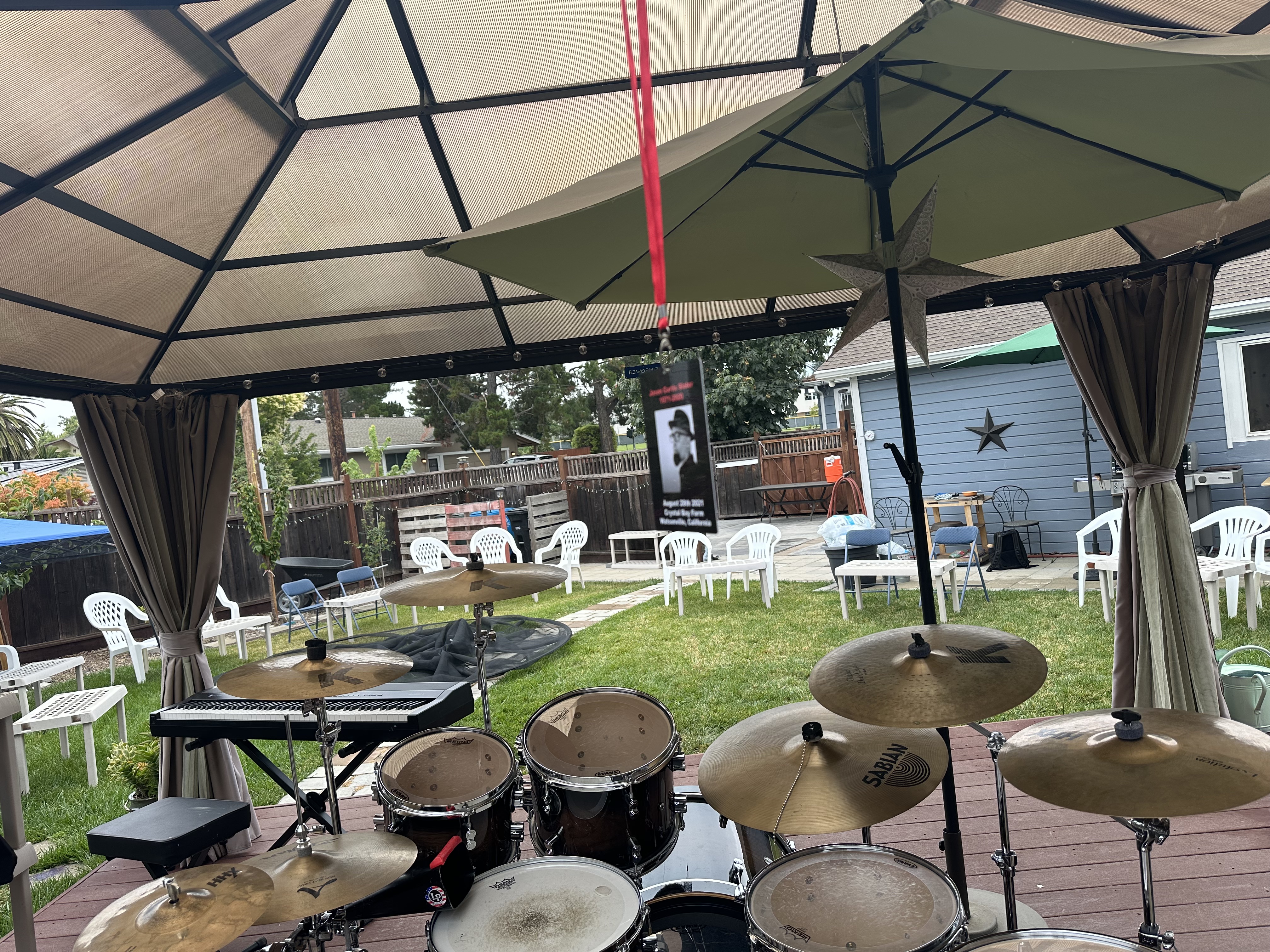
The fundraising goal became explicit. The cause became easier to explain. People had more ways to contribute: donating online, giving in person, buying boba, buying CDs, performing, helping, sharing the event, or simply showing up. The stage gave the day a center of gravity. The music created a reason to stay. The fundraiser gave the gathering a measurable outcome.
The microsite became part of that system too. It gave the event a home outside social media: one place to explain the purpose, share the fundraiser, publish updates, preserve the archive, and point people toward the next gathering. For a small community event, that kind of home base creates continuity. The event is no longer just a date on the calendar. It becomes something people can return to, understand, and share.
A community event can have a beautiful mission and still underperform if participation is confusing. It can have enthusiastic supporters and still lose momentum if progress is invisible. It can have a good cause and still feel disconnected if people do not understand how their contribution fits into the larger story.
Systems thinking helps close those gaps.
In 2025, the event set a $1,000 fundraising goal and raised more than $3,300 for the American Diabetes Association.
In 2026, the goal increased to $5,000 for Breakthrough T1D, and the event raised more than $5,500.
Two years in a row, the community blew past the goal.
That did not happen because the event became less personal. It happened because the personal meaning had a stronger structure around it.
- Clear goals helped.
- Visible progress helped.
- Multiple participation paths helped.
- A strong live experience helped.
- A story people could understand and share helped.
The microsite helped too. It connected the purpose, the pledge page, the event details, and the follow-up story into one durable place. Social posts are useful, but they move quickly. A microsite gives the work a stronger memory.
Reliable outcomes are rarely the result of enthusiasm alone. Enthusiasm is powerful, but it needs somewhere to go. The work is to design conditions that make participation easier, meaning clearer, and progress visible.
That is the product lesson inside the BBQ.
A good system does not remove the humanity from the work. It protects it. It gives people enough clarity to act, enough flexibility to contribute in their own way, and enough feedback to see that their contribution mattered.
The next challenge is scaling the impact without losing the spirit.
For 2027, the goal is already set higher. That means the system has to improve again. Better planning. Earlier communication. Clearer ways to give. More intentional storytelling. Stronger follow-up. More opportunities for people to participate before, during, and after the event.
But the core cannot change.
The BBQ still needs to feel like music, food, friendship, gratitude, and community. The system exists to support that, not replace it.
That is the strategic work now: keep improving the structure while protecting the reason people cared in the first place.